

Transformers are indispensable components in modern electrical infrastructure, enabling safe and efficient voltage conversion across power transmission anddistribution networks guide. Whether for utility-scale substations, industrial facilities, or residential complexes, understanding transformer pricing involves far more than just checking a catalog.
So,how much does atransformer guidereally cost?The answer depends on several technical, geographical, and market-driven factors. This article breaks down transformer costs, types, influencing factors, and buying recommendations to help decision-makers plan their budgets wisely.
What Is a Transformer?
Atransformeris an electromagnetic device that transfers electrical energy between two or more circuits through electromagnetic induction. Its primary function is tostep up or step down voltage levels, ensuring compatibility between different parts of a power system.
Common transformer types include:
- Distribution Transformers– For local voltage regulation (e.g., 11kV/0.4kV)
- Power Transformers– For bulk power transfer (e.g., 132kV and above)
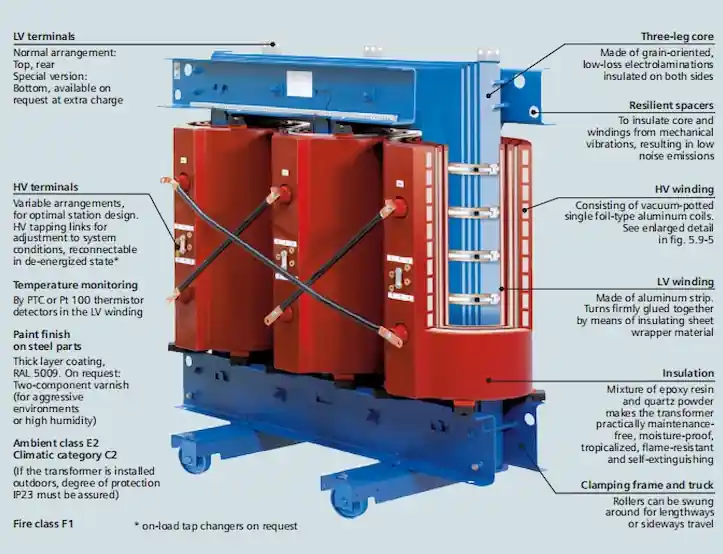
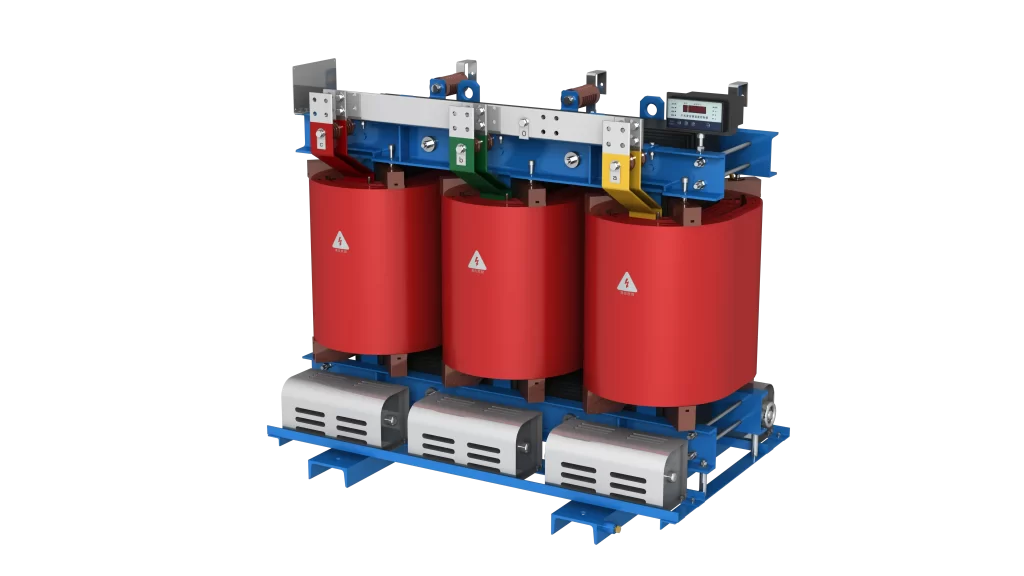
- Dry-Type Transformers– Used indoors or in fire-sensitive environments
- Pad-Mounted Transformers– For urban or underground applications
- Instrument Transformers– For metering and protection
Application Areas
Transformers are used in virtually every sector involving electricity:
- Utility Substations: Interconnect transmission and distribution networks
- Industrial Plants: Power heavy machinery, motors, and control systems
- Commercial Buildings: Provide localized voltage conversion for elevators, lighting, HVAC
- Renewable Energy Systems: Interface solar or wind output with the grid
- Oil & Gas: Operate pumps, rigs, and refineries with stable voltage supply
- Railway Electrification: Feed traction power at controlled voltage levels
Markttrends und Hintergrund
The global transformer market was valued atUSD 60+ billion in 2023and is projected to grow steadily due to increasing power demand, grid modernization, and renewable energy integration.
According to theInternational Energy Agency (IEA)undIEEMA, utility-scale transformer demand is expected to rise significantly in regions like India, Africa, and Southeast Asia due to ongoing rural electrification and smart grid projects.
IEEE standards such asC57.12.00provide design and performance guidelines, ensuring interoperability and safety.
Transformer Price Range by Type and Capacity
Transformer prices can range froma few hundred to hundreds of thousands of USD, depending on size, type, and configuration.
| Transformer Type | Rating Range | Approx. Cost (USD) |
|---|---|---|
| Pole-Mounted Distribution | 25–250 kVA | $1,000 – $10,000 |
| Pad-Mounted | 75–2,500 kVA | $5,000 – $50,000 |
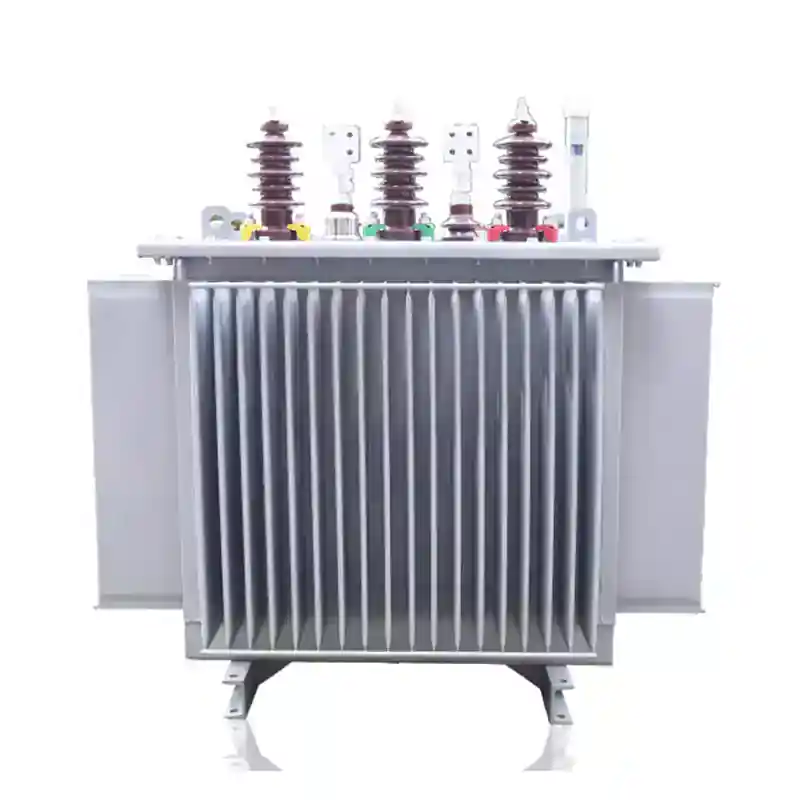
| Oil-Immersed Power | 5 MVA – 100 MVA | $30,000 – $500,000+ |
| Dry-Type Transformer | 50–3,000 kVA | $3,000 – $80,000 |
| Instrument CT/PT | Low burden class | $100 – $1,000 |
Note: These are average market estimates. Freight, customs, taxes, and local regulations can significantly impact final pricing.
Factors Affecting Transformer Cost
Understanding thekey pricing driversis essential for budgeting and procurement:
- Rated Capacity (kVA or MVA)
Higher capacity equals more copper, larger cores, and increased cost. - Voltage Class
Transformers rated above 33kV require more insulation, larger bushings, and are significantly more expensive. - Type (Dry vs Oil-Immersed)
Dry-type transformers cost more per kVA but are preferred for indoor or fire-prone areas. - Efficiency Class
EcoDesign or DOE-compliant models cost more upfront but save money long-term. - Cooling Method
ONAN (oil natural air natural) is cheaper than ONAF (with forced cooling systems). - Customization
Special tap settings, enclosures (IP44/IP65), smart sensors, or arc-flash protection can increase the price. - Brand and Certification
Brands likeABB,Schneider Electric, orSiemensoften come with premium pricing due to global quality assurance. - Freight & Import Duties
International shipping, especially for oil-filled units, adds significant costs.
Cost Comparison: Dry-Type vs Oil-Immersed Transformers
| Merkmal | Dry-Type Transformer | Ölumspülter Transformator |
|---|---|---|
| Fire Safety | High | Lower |
| Installation | Indoor or enclosed areas | Outdoor preferred |
| Wartung | Minimal | Regular oil checks needed |
| Cost per kVA | Higher | Lower |
| Cooling | Air | Oil |
| Noise Level | Higher | Lower |
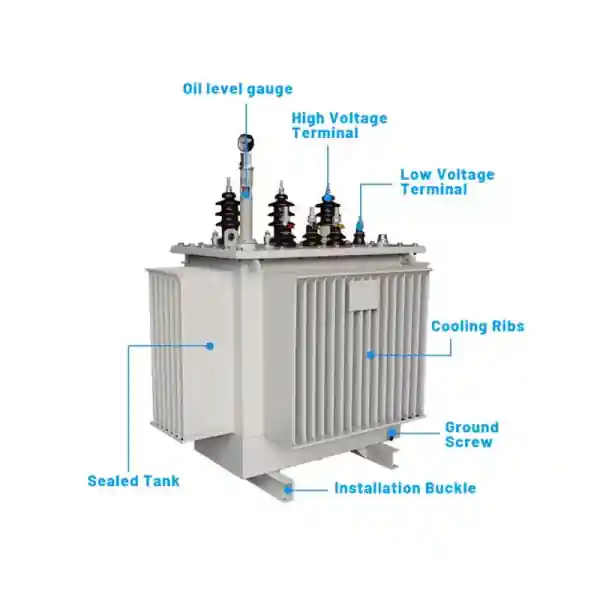
Each option suits different environments. For example,hospitals or mallsprefer dry-types for safety, whilepower plantsfavor oil-immersed types for high efficiency and capacity.
Buying Advice and Selection Guide
When planning to purchase a transformer, consider the following steps:
- Load Profile Analysis: Match transformer size with maximum and average load.
- Site Environment: Choose dry-type for indoor use, oil-type for outdoor.
- Efficiency vs Cost Trade-Off: Look forTier 2 or EcoDesigncertified units if lifecycle cost matters.
- Vendor Reputation: Opt forcertified manufacturers(ISO9001, IEC, IEEE-compliant).
- Lead Time: Custom transformers can take 6–12 weeks to manufacture.
- Spare Parts & After-Sales: Ensure availability of tap changers, bushings, or protection relays.
Häufig gestellte Fragen (FAQ)
A: Pole-mounted oil-immersed distribution transformers (25–100 kVA) are generally the most cost-effective for rural or small-scale applications.
A: They use advanced epoxy or cast resin insulation, which is safer and maintenance-free, but more costly to produce.
A: Yes, used or refurbished units can reduce costs by up to 40%, but they must be thoroughly tested and certified by an authorized provider.
Schlussfolgerung
The cost of a transformer is influenced by a complex blend oftechnical parameters,application contextundmarket dynamics. Whether you are sourcing a 100 kVA distribution unit or a 50 MVA substation transformer, understanding the pricing framework helps ensure you get the right balance betweenperformance, safety, and value.
Always consult with certified vendors and refer to international standards like those fromIEEE,IEEMAundIECwhen making a final decision. For long-term operational efficiency, total cost of ownership should take priority over the lowest initial price.