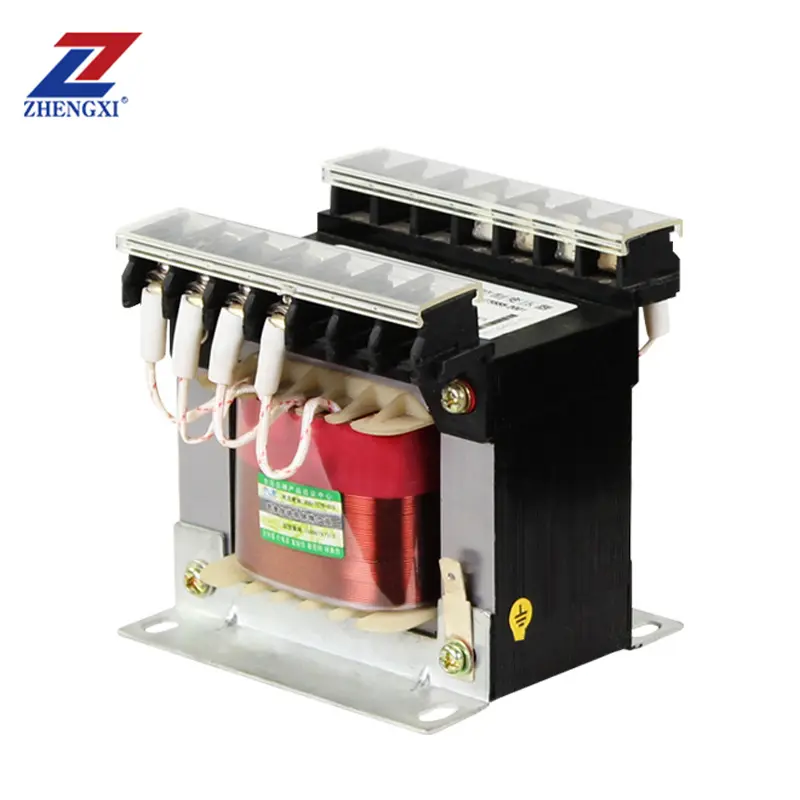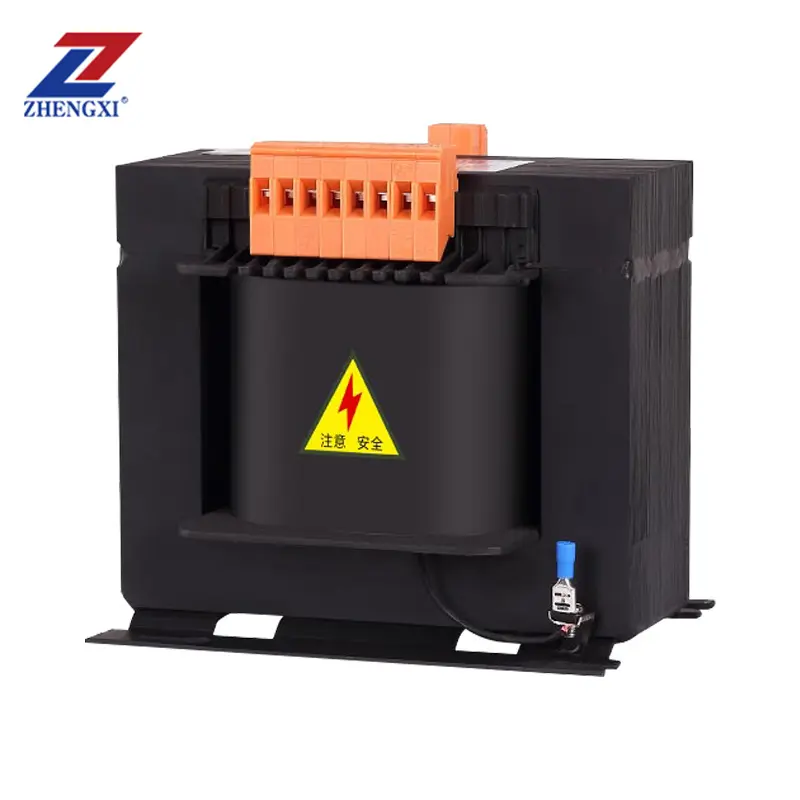


 transformer guide designed to convert 240V AC to 12V output” class=”wp-image-1623″/>
Transformersare the silent workhorses of our electrical infrastructure, managing voltage levels across everything from industrial grids to domestic appliances. One of the most common and critical applications of a transformer is to convert240V AC mains electricityinto a much safer and more usable12V AC or DCsupply. This voltage level is essential for operating low-power electronics, LED lighting, security systems, and various consumer devices.
But which type of transformer is suitable for this voltage reduction, and what factors should influence the selection?
This guide provides an in-depth overview of transformer types used for stepping down 240V AC to 12V, exploring technical parameters, real-world applications, market trends, and buyer insights—all optimized for technical accuracy and SEO relevance.
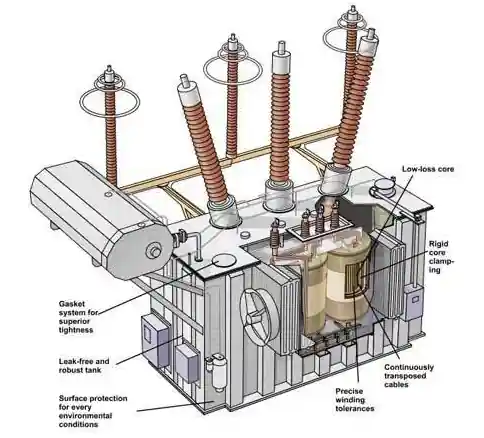
Astep-down transformerreduces high input voltage to a lower output voltage while maintaining the same frequency. In the case of reducing 240V to 12V, the transformer’sturns ratiois the defining parameter. A primary coil with 20 times the turns of the secondary coil will produce the desired 12V output from a 240V input.
Types of step-down transformers include:
A 12V supply is safe, energy-efficient, and compatible with a wide range of low-voltage systems. Key application areas include:
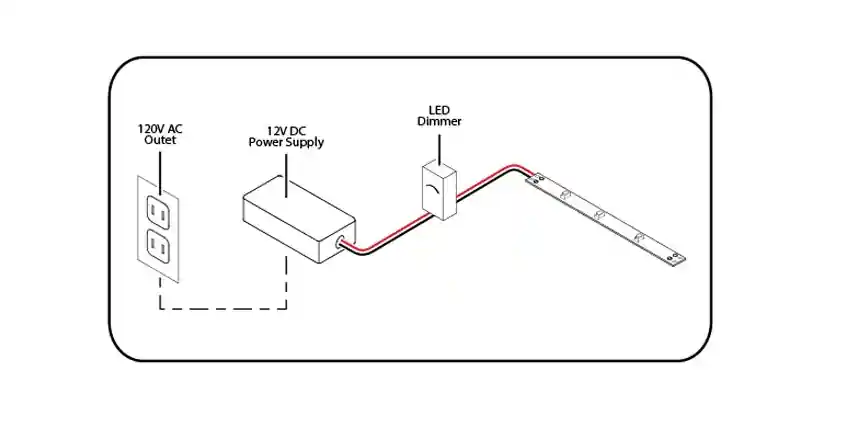
Globally, the demand for 12V applications is growing due to the proliferation of smart home devices, energy-efficient lighting, and mobile electronics. According to industry surveys and publications from IEEE and IEEMA, there is increasing preference formodular, compact, and high-efficiency transformersin both residential and commercial markets.
In particular,LED lighting retrofitsin older buildings drive demand for AC-to-DC 12V transformers, as they ensure compatibility with standard 240V supply without requiring a complete rewiring of systems.
Here’s a detailed look at the most suitable transformer types:
Pros:
Cons:
Pros:
Cons:
Pros:
Cons:
Pros:
Cons:
When choosing a transformer to convert 240V to 12V, pay attention to the following specifications:
| Parámetro | Relevance |
|---|---|
| Input Voltage | Rated for 230V–250V AC (nominal 240V) |
| Output Voltage | 12V AC or DC, depending on application |
| Frequency | 50 Hz or 60 Hz, depending on region |
| Power Rating (VA) | Match with total load power plus 20–30% safety margin |
| Mounting Type | Chassis, panel, DIN rail, or PCB |
| Insulation Class | Higher class (e.g., Class B or F) for thermal reliability |
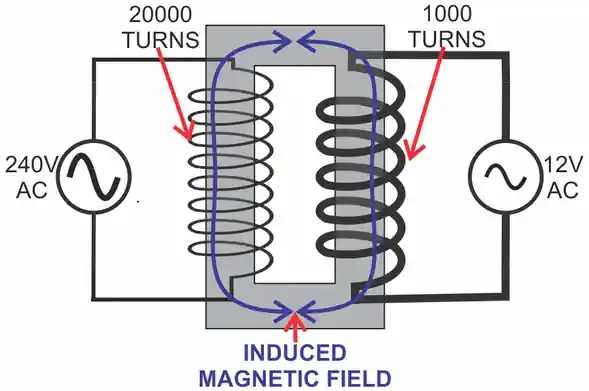
While transformers and adapters may seem similar, they serve distinct purposes:
Example:
If your application needs12V AC(e.g., halogen lights), use a simple transformer.
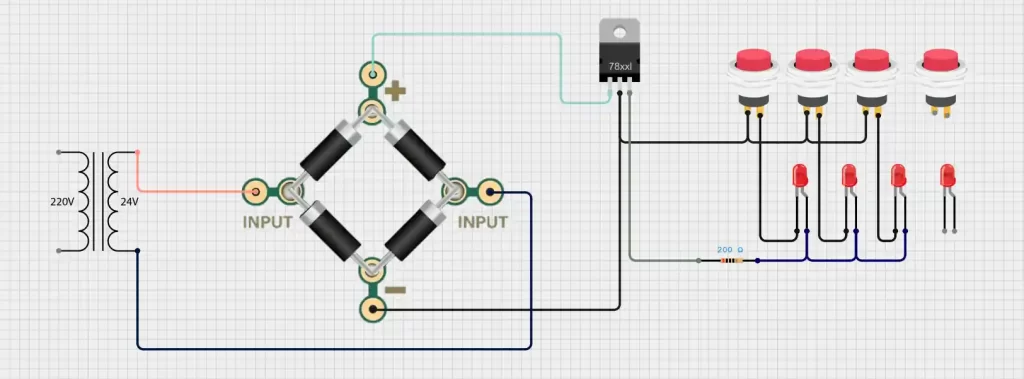
If your device requires12V DC(e.g., routers, cameras), you’ll need a transformer + rectifier or a ready-made AC-DC adapter.
No. A 12V transformer outputs AC by default. To use it for DC devices, you need arectifier circuit(diode bridge + filter capacitor or regulator).
It may overheat, become damaged, or causevoltage solutionsdrops under load. Always size the transformer20–30% higher than your actual load.
Yes—for applications that requirecompactness, low noise, and high efficiency. However, laminated transformers are more affordable and easier to source for basic setups.
To reduce a 240V AC supply to 12V, the most suitable transformer depends on the output type (AC or DC), application, and load requirements. For basic low-voltage lighting or appliances, alaminated core step-down transformerwill suffice. For compact, high-efficiency designs—such as in audio equipment or sensitive electronics—atoroidal transformermay be preferred. And in modern digital electronics,switch-mode transformersdeliver excellent performance where DC output is required.
Making the right transformer selection ensures not only operational safety and energy efficiency but also compliance with global standards. Whether you’re building a solar lighting circuit, installing a CCTV system, or designing embedded electronics, investing in the correct step-down transformer is key to long-term reliability.