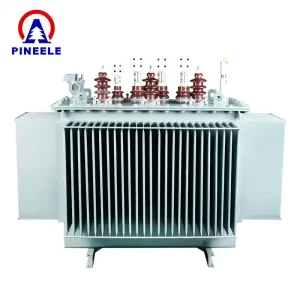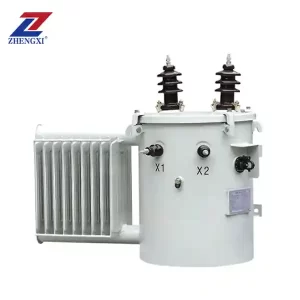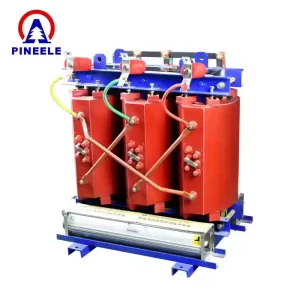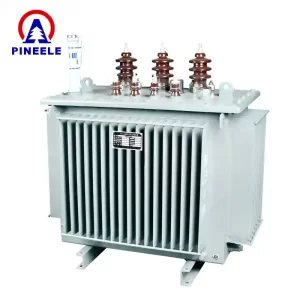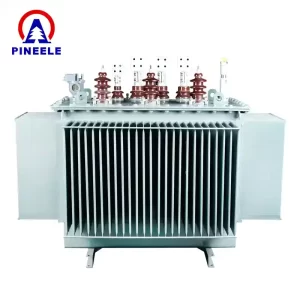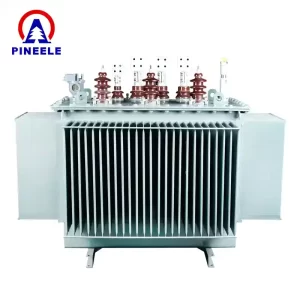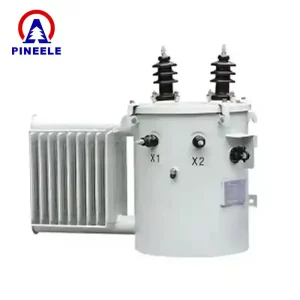


એકત્રણ તબક્કાનું ટ્રાન્સફોર્મરis an essential component in modern electrical systems, facilitating efficient power transmission and distribution across various sectors. This comprehensive guide delves into the core concepts, applications, market trends, technical specifications, comparisons with other transformer types, selection guidelines, and frequently asked questions to provide a thorough understanding of three-phaseટ્રાન્સફોર્મર્સ માર્ગદર્શિકા.
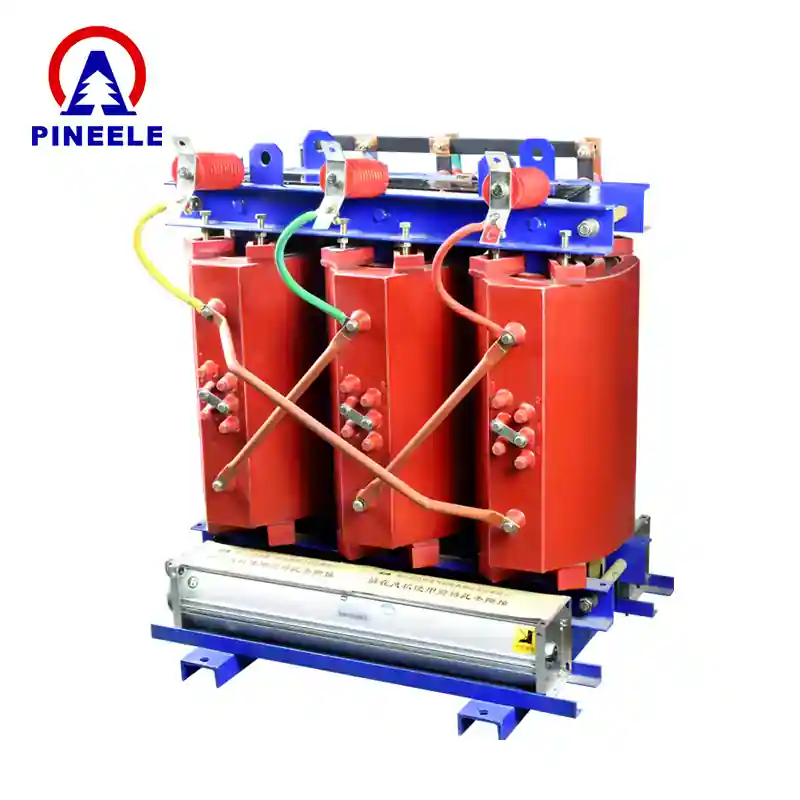
ત્રણ-તબક્કાના ટ્રાન્સફોર્મર્સને સમજવું
A three-phase transformer is designed to transfer electrical energy between three-phase systems, commonly used in industrial and commercial power distribution. It consists of three sets of primary and secondary windings, either housed within a single unit or configured as a bank of three single-phase transformers. These transformers can be connected in various configurations, such as Delta-Delta, Wye-Wye, Delta-Wye, and Wye-Delta, each serving specific application needs .
Applications of Three-Phase Transformers
Three-phase transformers are integral to numerous applications, including:
- Industrialદ્યોગિક વીજ વિતરણ: Supplying power to heavy machinery and equipment in manufacturing plants.
- વાણિજ્ય ઇમારતો: Providing reliable power for HVAC systems, elevators, and lighting.
- નવીકરણયોગ્ય energyર્જા પદ્ધતિ: Integrating wind and solar power into the grid.
- આંકડા કે કેન્દ્ર: સર્વર્સ અને નેટવર્કિંગ સાધનો માટે અવિરત વીજ પુરવઠો સુનિશ્ચિત કરવો.
- પરિવહન: ઇલેક્ટ્રિક ટ્રેનો પાવર અને ઇલેક્ટ્રિક વાહનો માટે ચાર્જિંગ સ્ટેશનો.
બજાર વલણો અને વિકાસ
The demand for three-phase transformers is experiencing significant growth, driven by factors such as:
- Electrification and Renewable Energy Integration: The global shift towards renewable energy sources necessitates the expansion and upgrading of power grids, increasing the need for efficient transformersIEEE Spectrum.
- Infrastructure Modernization: Aging electrical infrastructure in many regions requires replacement and enhancement, boosting transformer demand.
- Industrialદ્યોગિક ઓટોમેશન: The rise of Industry 4.0 and automation technologies increases the need for reliable power distribution systems.
However, the industry faces challenges, including supply chain constraints and extended lead times for transformer manufacturing, with wait times for new units stretching up to two yearsIEEE Spectrum.
Тарактеристики.
When selecting a three-phase transformer, consider the following technical parameters:
- પાવર રેટિંગ (કેવીએ): Determines the transformer’s capacity to handle load.
- પ્રાથમિક અને ગૌણ વોલ્ટેજ: Specifies input and output voltage levels.
- આવર્તન: Typically 50 Hz or 60 Hz, depending on regional standards.
- ઠંડક પદ્ધતિ: Options include oil-immersed or dry-type cooling.
- ઇન્સ્યુલેશન વર્ગ: મહત્તમ operating પરેટિંગ તાપમાન સૂચવે છે.
- કાર્યક્ષમતા: Higher efficiency reduces energy losses and operating costs.
અન્ય ટ્રાન્સફોર્મર પ્રકારો સાથે સરખામણી
| . | ત્રણ તબક્કાનું ટ્રાન્સફોર્મર | એકલ તબક્કાનું ટ્રાન્સફોર્મર |
|---|---|---|
| વીજળી -શક્તિ | વધારેનું | નીચું |
| કાર્યક્ષમતા | વધુ કાર્યક્ષમ | Less efficient |
| Size and Weight | મોટું અને ભારે | Smaller and lighter |
| ખર્ચ | પ્રારંભિક ખર્ચ | Lower initial cost |
| નિયમ | Industrial and commercial | Residential and light commercial |
Three-phase transformers are preferred for applications requiring high power and efficiency, while single-phase transformers are suitable for lower power needs.
Selection Guidelines
ત્રણ-તબક્કાના ટ્રાન્સફોર્મરની પસંદગી કરતી વખતે, નીચેનાનો વિચાર કરો:
- લોડ આવશ્યકતા: Assess the total power demand and future expansion plans.
- વોલ્ટેજ સ્તર: Ensure compatibility with system voltage specifications.
- Умови навколишнього середовища: Select appropriate cooling and enclosure types for the installation environment.
- નિયમનકારી પાલન: Verify adherence to relevant standards, such as IEEE, IEC, and NEMA.
- ઉત્પાદક પ્રતિષ્ઠા: Choose reputable manufacturers known for quality and reliability.
Часте заптання (FAQ)
A1: Three-phase transformers offer higher efficiency, better power density, and are more suitable for large-scale power distribution, making them ideal for industrial and commercial applications.
A2: While it’s technically possible to use a three-phase transformer in a single-phase system by utilizing only two of the three windings, it’s not recommended due to inefficiencies and potential imbalance issues.
A3: Calculate the total load in kilovolt-amperes (kVA) by summing the power requirements of all connected equipment, then select a transformer with a slightly higher rating to accommodate future expansion and ensure reliable operation.
Note: For visual representations and detailed diagrams of three-phase transformers, please refer to the images provided in the original document.